Your ultimate travel guide to travelling to China for the first time, including travel tips, advice and costs (scroll to the end for an easy, downloadable PDF summary)

Ever looked at a map of China and wondered where on earth you’re supposed to start? I did, right before spending a good month there in the summer of 2024, and I figured most of it out as I went (spoiler: booking my Zhangjiajie stay last minute was not my finest moment).
China is huge, the apps are different and half of your usual internet simply doesn’t work. It sounds like a lot. It really isn’t, once you know a handful of things before you land.
So here are the China travel tips I wish someone had told me before my first trip, plus what I’d add to each stop of my route if I went back tomorrow. The story of the trip itself is in my travel diary, How I Fell In Love With China in One Month (coming out next week — stay tuned!), and where I stayed and what I paid is all in my one-page guide.
Before you go: visa, Alipay and a VPN
The visa. If you’re Italian, like me, or from most of the EU, you can currently enter China visa-free for up to 30 days, and the policy has been extended until the end of 2026. Rules like this change though, so check the latest before you book anything. Seriously, check.
Paying for things. Almost everything in China runs on Alipay and WeChat Pay, from street food to train tickets. The good news is that both now accept foreign cards, so set one of them up at home, link your card and try a small payment before you fly. Keep a few small notes on you anyway, because some city buses still prefer cash.
The internet. Google, WhatsApp and Instagram are all blocked, which is a fun surprise if nobody warns you. Sort out a VPN for China or an eSIM with roaming before you arrive, not after, because downloading one once you’re there is a whole other adventure. Download offline maps and a translation app too, and you’ll be fine.
Getting around China by high-speed train
The high-speed rail network is honestly one of the best things about travelling in China — like genuinely, it’s one of the first things I mention to people whenever they ask me about travelling there. It’s fast, clean, on time and the easiest way to move between cities, which matters a lot when your route covers six of them in a month, within a massive country like China.
You can book train tickets on Trip.com in English (sadly, this is not sponsored — it’s just the way it works). Just don’t leave it to the last minute in summer or around Chinese holidays, because tickets sell out fast and the whole country seems to be on the move at once. Believe me — I’ve made this mistake more than once and got stranded in a variety of different places, including Leshan on my birthday, which resulted in me crying in a corner of the train station as I missed my celebration dinner with friends back in Chengdu.
Inside cities, the metro is usually your best friend, and DiDi (basically China’s Uber) works in English for everything else.
My China itinerary: what to see in each city
But let’s get to the actual travelling: my one-month China itinerary went Guangzhou, Yangshuo, Chongqing, Chengdu, Shanghai and Zhangjiajie. As an addition, I was in Beijing several years back, so I have also included that too (how could I not include the capital, after all).
Here’s what I’d tell a friend doing the same thing, including where I stayed and what I paid (summer 2024 prices, so expect a few changes).
Guangzhou
If you’re coming from Hong Kong like I did, the high-speed train from West Kowloon gets you there in under an hour. I fell for Liwan, the old town, and right next to it is Shamian Island, a small former foreign concession with colonial buildings and huge banyan trees that’s perfect for a slow half day. And since Guangzhou is the home of Cantonese food, dim sum for breakfast is pretty much mandatory. Thank me later.
My stay: 3 days in Liwan, the old town, in a local hostel where I was the only foreigner.
Guilin and Yangshuo
Yangshuo is about an hour from Guilin by train or bus, and it’s by far one of the most stunning places I’ve seen — in China and beyond. I spent my days cycling through villages and along the Li River, which I’d recommend to anyone. The classic way to see the river, though, is the bamboo raft between Xingping and Yangshuo, which passes the view printed on the 20 yuan note (yes, really). Xianggong Hill is worth the early alarm for sunrise, and if the Li River feels too busy, the Yulong River is the quieter option for cycling or rafting.
My stay: 4 days at Climbers Inn in Yangshuo (100% recommended!). What I paid: about €30 for the Impression Liu Sanjie show.
Chongqing
I stayed ten days, so believe me when I say there’s plenty to do. Two things for your first evening: Hongyadong, the stilted building stacked against the cliff that lights up at night, and the Yangtze River cable car, which doubles as a short and very cheap city tour. Chongqing is also the home of hot pot, so be honest with the waiter about how much spice you can handle. And use the metro, because the hills make every walk much longer than it looks on the map. Some lines even run straight through buildings!
My stay: 10 days in Jiaochangkou at Only Cafe and Backpackers Hostel, the coolest and cosiest vibe with lots of interesting people.
Chengdu
Go to the Giant Panda Breeding Research Base right at opening time, when the pandas are awake and eating, because by midday they’re mostly asleep. For a slower afternoon, find a teahouse in People’s Park and watch the ear cleaners at work. If you go to the Sichuan opera, which I’d definitely do, look out for bian lian, the face-changing act where performers switch masks in a split second.
My stay: 5 days near Chunxi Road at Chengdu Flipflop Lounge Hostel. What I paid: about €20 for the Leshan Giant Buddha plus under €10 for the train from Chengdu, and €15–20 for a Sichuan opera ticket.
Shanghai
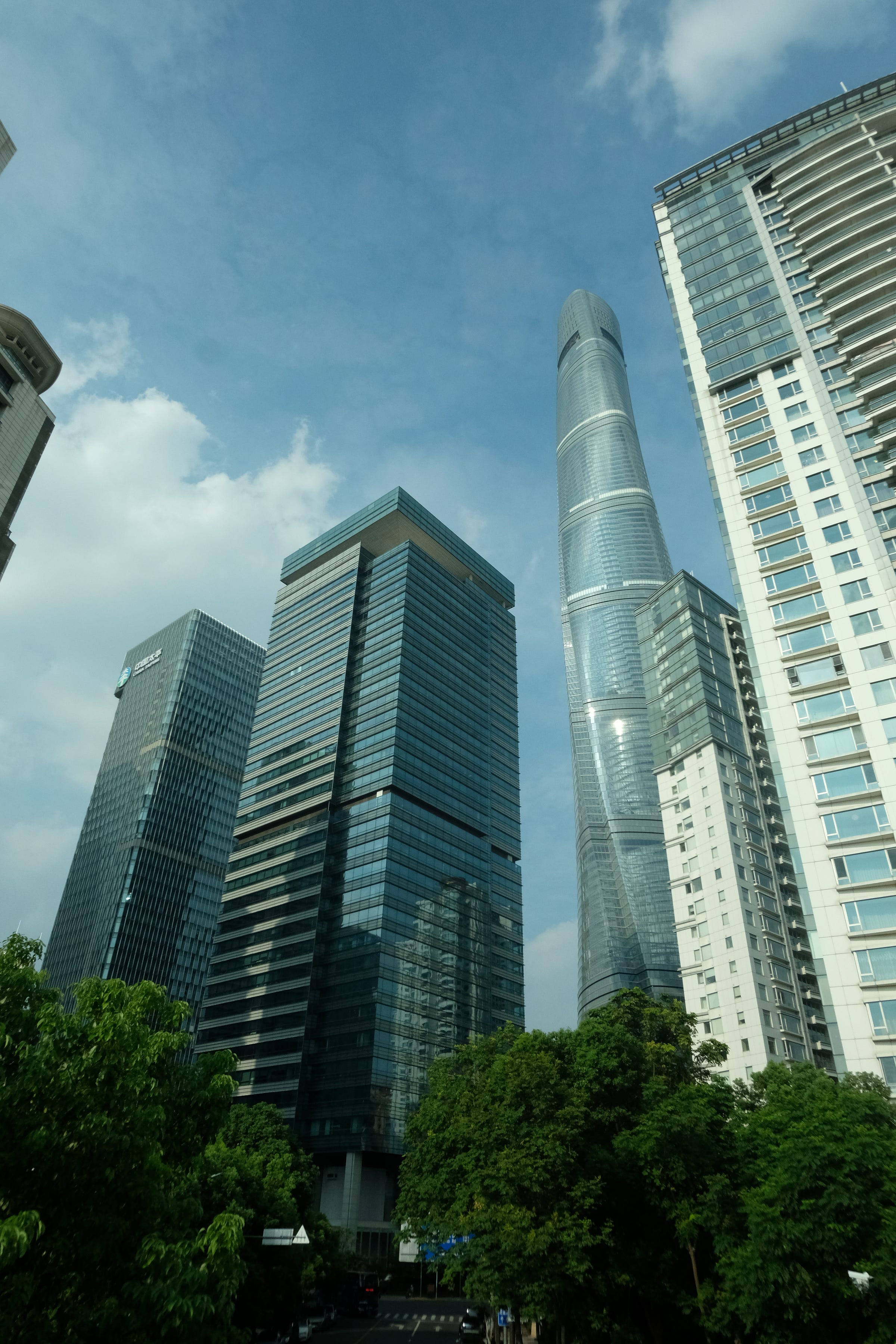
Shanghai was my least favourite stop, so I’ll keep it short. Walk the Bund at night, when the old buildings are lit up and you can look across the river at the Lujiazui skyline. Yu Garden and the old town around it are worth a morning, as long as you get there before the tour groups. And Suzhou is only about 30 minutes away by high-speed train, with classical gardens that make it an easy day trip.
My stay: 7 days at Dayin Hostel on East Nanjing Road, not the cosiest vibe but very central and huge. What I paid: about €15–20 for the Shanghai Tower and €18 for the Ritz rooftop bar, one drink included.
Zhangjiajie
Stay in Wulingyuan, not Zhangjiajie town, and give yourself more time than I did. One day for Tianmen Mountain near the city, at least two for Wulingyuan. If you’re there for the Avatar views, head to Yuanjiajie, home of the pillar renamed Hallelujah Mountain after the film, and take the Bailong elevator straight up the cliff. The park ticket is usually valid for several days, so there’s no need to rush. I wrote a whole separate guide to this region, because one paragraph really doesn’t do it justice.
My stay: 4 days in Wulingyuan, and in hindsight I’d take at least 5. I booked last minute and wasn’t thrilled with my hostel, but the owner was incredible at helping me plan everything. What I paid: €28 for Tianmen Mountain, about €25 each for Tianzi Mountain and the Grand Canyon, and about €30 for the Fox Fairy show.
Beijing
I was there over ten years ago, so things have probably changed (a lot, knowing China), but the classics are classics for a reason: the Forbidden City, Tiananmen Square, the Summer Palace and pretty much everything in between are really cool. One thing that has definitely changed is booking, from what I’ve heard from friends: The Forbidden City now has to be reserved online in advance with your passport, tickets go fast, and it’s closed on Mondays. Tiananmen Square needs its own reservation too. So make sure to check for availability and book in advance to avoid disappointments!
Of course, when in Beijing you also cannot skip a day trip to the Great Wall – which is honestly incredible and totally lives up to expectations. Pro tip here: skip Badaling, the closest section and by far the busiest, and head to Mutianyu instead: about an hour and a half from the city, this spot is a lot less touristy so you won’t find such a big crowd going up and down. I honestly don’t understand how this tip still hasn’t made it equally crowded, but apparently it still works. If you want it almost to yourself, though, Jinshanling is further out, around two to three hours away, but much quieter and partly unrestored. Whichever you pick, get there by 8:30am before the tour buses arrive, go on a weekday, avoid the first week of October, and book your ticket online in advance with your passport. You have been warned.
So, is China worth visiting?
Short answer: absolutely yes. China looks intimidating from the outside, and for a few days it might feel that way too. Then the apps start working, the trains take you everywhere and you realise it deserves way more hype than it gets.
So, my friends, are you planning your first trip? Or have you been and think I’ve missed something big? Tell me in the comments, I’m always looking for an excuse to go back to be honest. 😀
For more info on prices and places, download my free travel itinerary, and for pictures check out my Instagram!
As always, wishing you all a lovely day,
Elena
